Stock Code
301528

Doppler brand-new high-temperature ultrasonic transducer enables long-term operation at ambient temperatures up to 350℃.
High-temperature Probe Inspection Specification
|
Probe type |
Temperature detection |
Temperature resistance time |
Application Scenarios |
Features |
|
Standard probe with delay block |
200℃ |
Brief contact (approximately 10 seconds) |
Workpiece Corrosion Thickness Measurement |
Complicated operation and low detection efficiency |
|
Doppler high temperature probe |
200-350℃ |
long |
Monitor the flow velocity and liquid level of high-temperature fluids, as well as the in-service corrosion thickness measurement and defect detection of high-temperature equipment. |
Realize long-term monitoring of high-temperature workpieces |
At present, conventional high-temperature ultrasonic testing mostly uses standard probes (maximum operating temperature: 50°C) paired with high-temperature delay blocks. These probes can only contact high-temperature workpieces for a short period and fail to meet the requirements for non-stop inspection and in-service monitoring of high-temperature equipment in nuclear industry, petrochemical, metallurgical and other industries. To solve this industrial bottleneck, Doppler has developed a new generation of high-temperature ultrasonic array probes. The probe itself can operate continuously at an ambient temperature of 200°C. When combined with the Doppler circulating cooling high-temperature wedge, it can serve long-term on workpiece surfaces with a temperature up to 350°C.
Doppler self-developed probes represent a major breakthrough with fully independent intellectual property rights in the field of high-temperature non-destructive testing. The specially formulated high-temperature piezoelectric composite material maintains excellent piezoelectric performance and a high electromechanical coupling coefficient after aging tests at 200°C. Probes fabricated with this composite material and optimized packaging processes feature high bandwidth, high sensitivity and low signal tailing under high-temperature working conditions. In comparison, probes made of ordinary piezoelectric ceramics only reach a bandwidth of 20% at high temperatures, with severely distorted waveforms relative to room-temperature conditions. In addition, both the high-temperature probes and connecting cables have passed service qualification tests under extreme 200°C environments, verifying the outstanding stability and reliability of the products.
Probe Physical Objects and Echo Diagrams
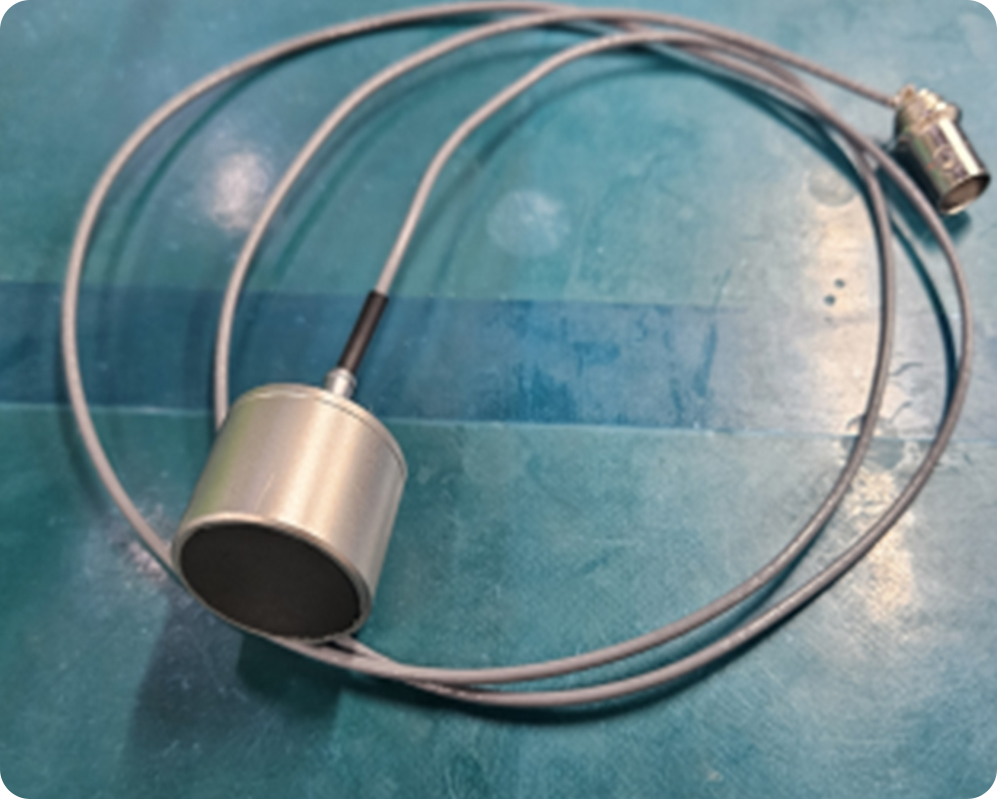
(a) Physical image of single-element probe
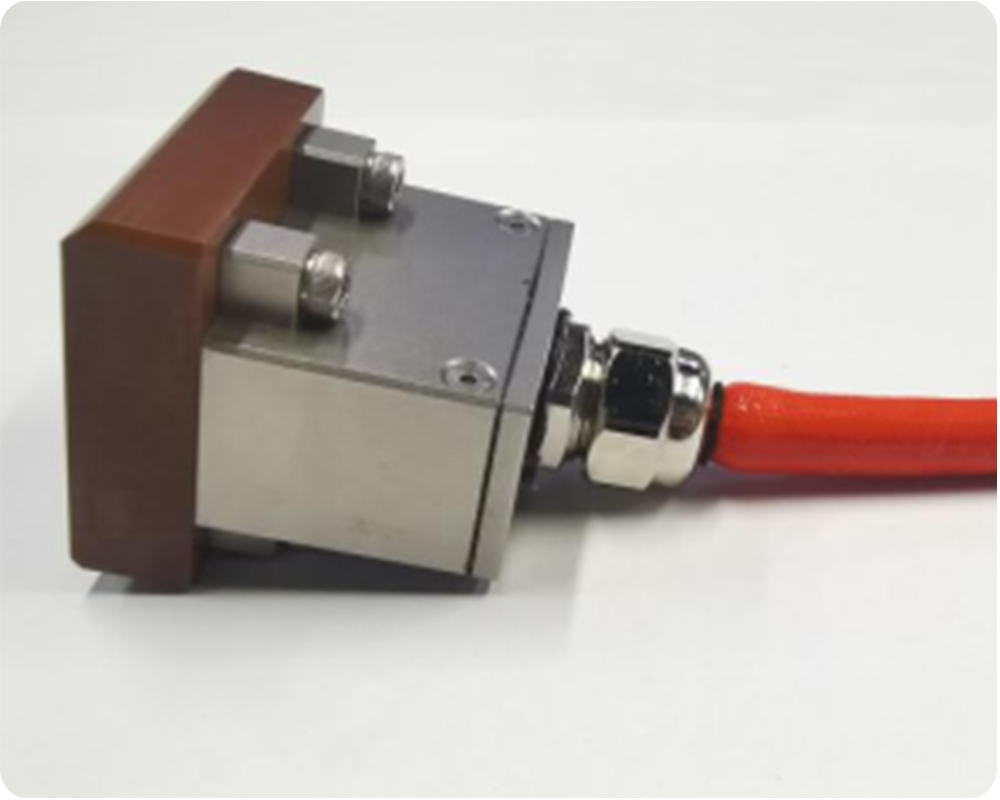
(b) Physical image of array probe
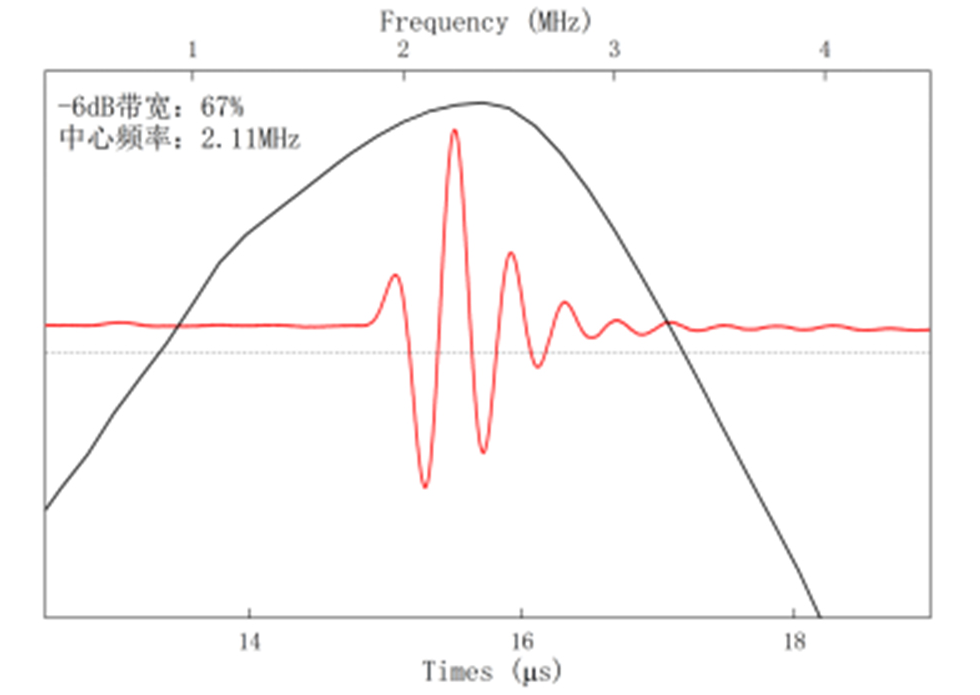
(c) 2.25 MHz single-element pulse echo diagram (200℃)
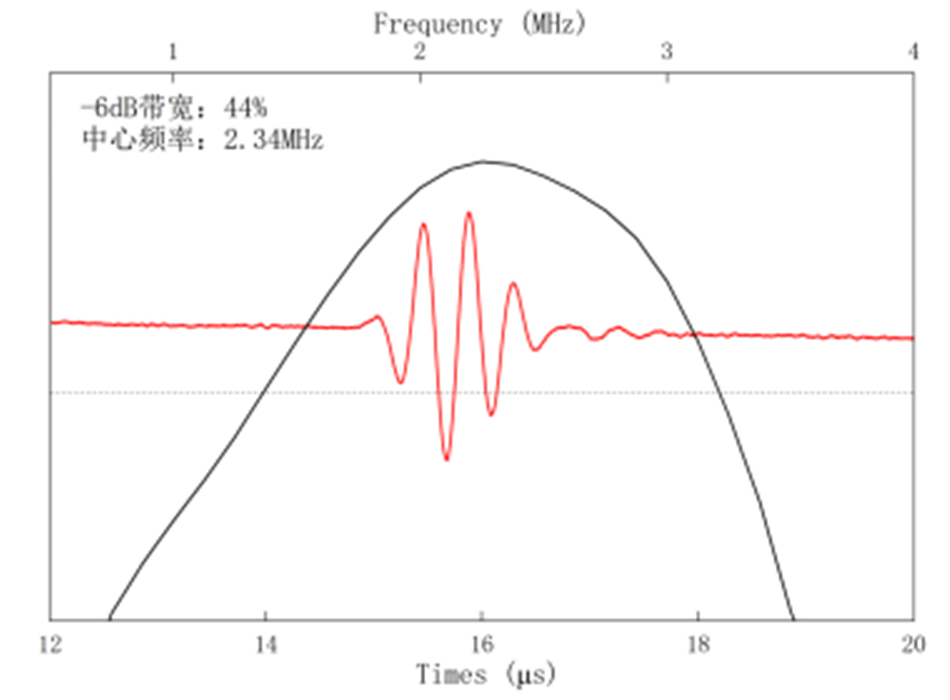
(d) 2.5 MHz array pulse echo diagram (200℃)
The figure above shows the physical photographs of high-temperature single-element probes and array probes, together with their performance test results at 200 ℃. The specifications of available standard high-temperature probes are as follows: single-element probes with a center frequency ranging from 1 MHz to 7.5 MHz, and linear array probes with a center frequency of 2.5 MHz or 5 MHz and 32 elements. For other customized models, please contact Doppler for further consultation.