Stock Code
301528

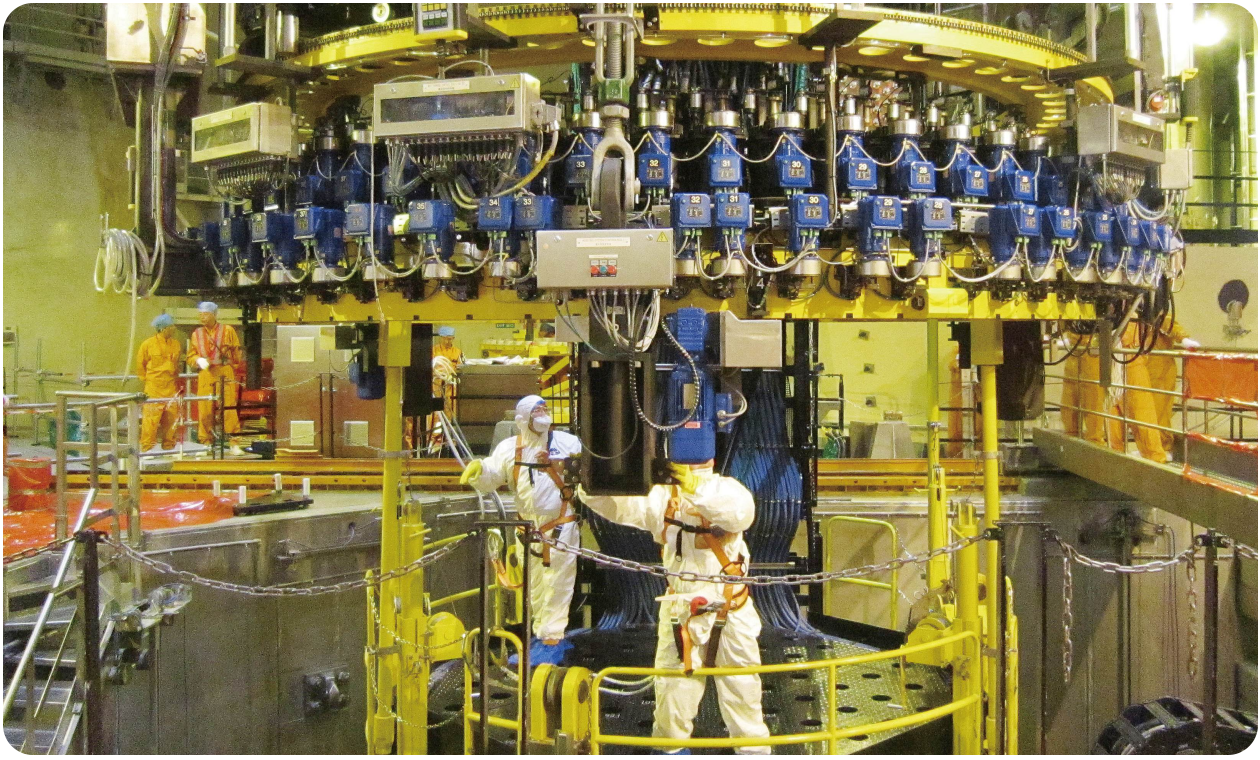
With rapid economic development, the social demand for electric power continues to grow. After being put into operation, nuclear power plants can deliver long-term, stable and reliable power supply to the power grid thanks to their steady energy output, effectively meeting large-scale energy demands and playing a vital role in safeguarding stable socio-economic development.
Nuclear power is a clean energy source. It is estimated that the carbon dioxide emission of nuclear power plants (≈20 g per kWh) is only 1% of that of thermal power plants. Meanwhile, nuclear power significantly reduces emissions of sulfur dioxide, nitrogen oxides and inhalable particulate pollutants, greatly improving environmental quality and protecting the ecological environment. In addition, nuclear power boasts superior economic efficiency with a tariff of 0.39–0.42 RMB per kWh and an average annual utilization hour exceeding 7,500 hours, far higher than intermittent energy sources such as wind power and photovoltaic power.
Nevertheless, certain power generation equipment and supporting devices in nuclear power plants operate long-term under harsh conditions including high temperature, high pressure, strong corrosion and intense radiation. Affected by these extreme factors, the material properties of components gradually degrade, and various defects emerge, which in turn impair the normal operation of mechanical parts and threaten nuclear safety production. Therefore, as energy facilities with stringent safety requirements, nuclear power plants require continuous monitoring of the structural integrity and functionality of key components, so as to ensure operational safety and extend service life of equipment.
I. Key Inspection Parts of Nuclear Power Plants
(1)Reactor Pressure Vessel
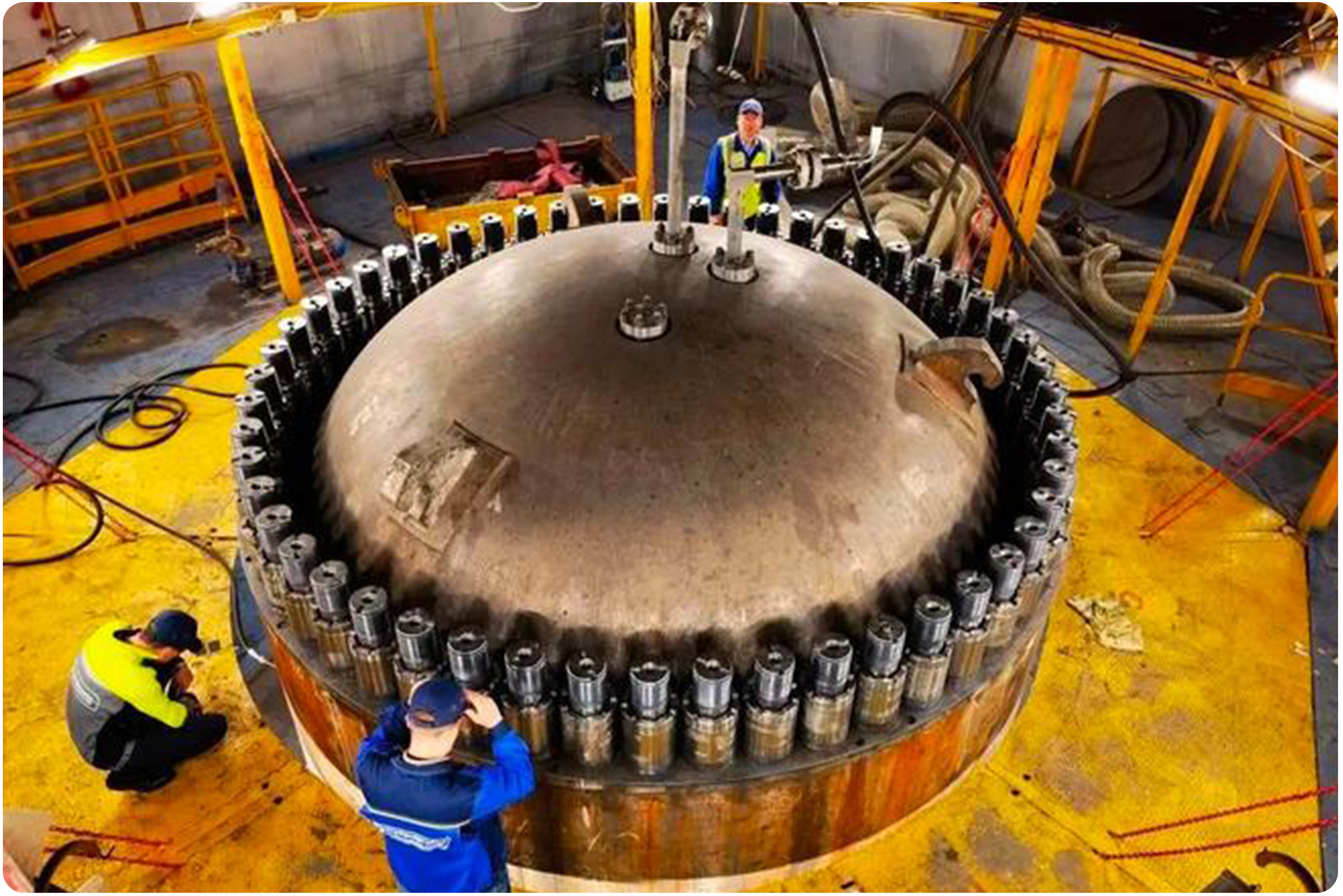
(2)Heat Transfer Tubes of Steam Generator
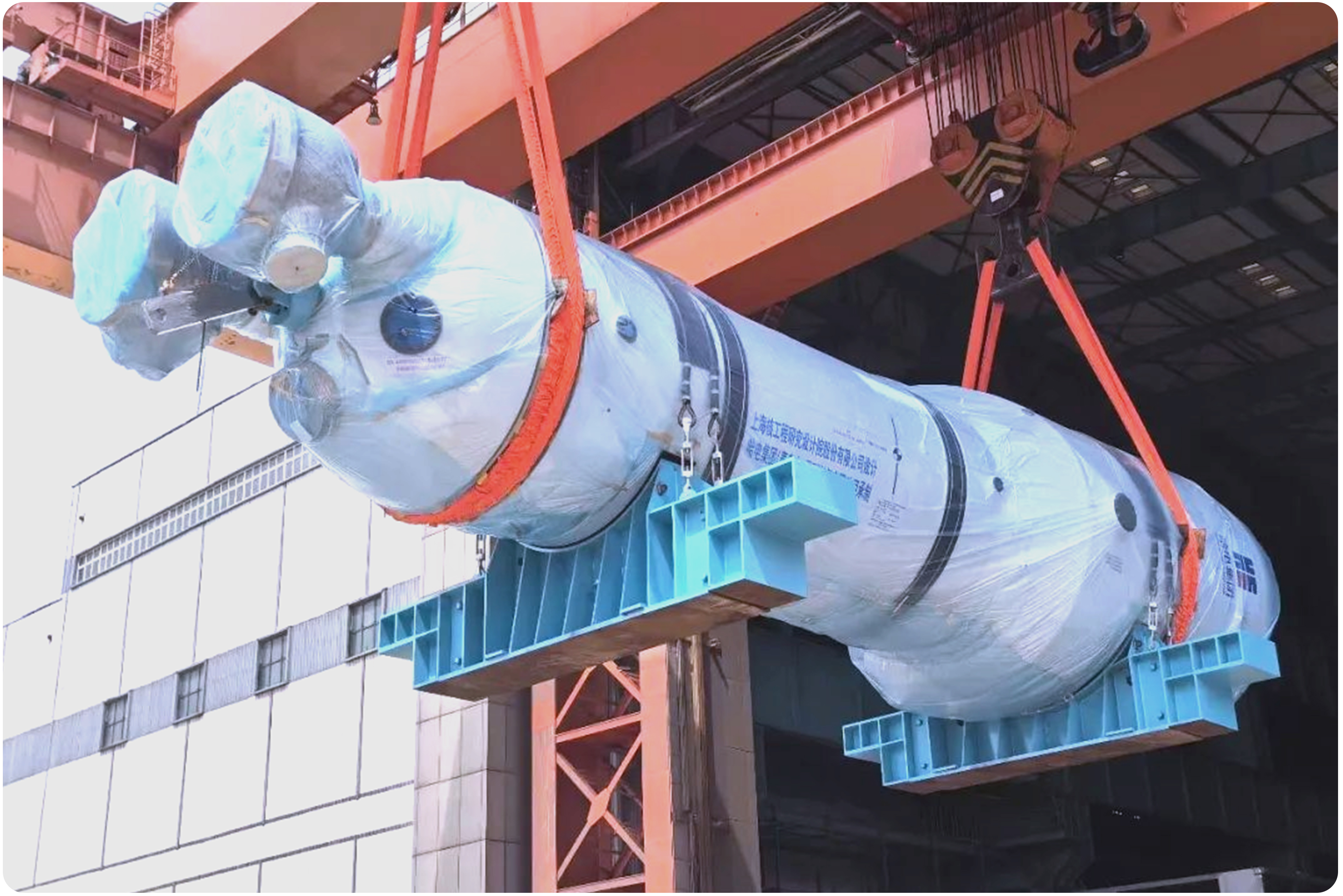
(3)Primary Loop Main Pipes and Critical Welds
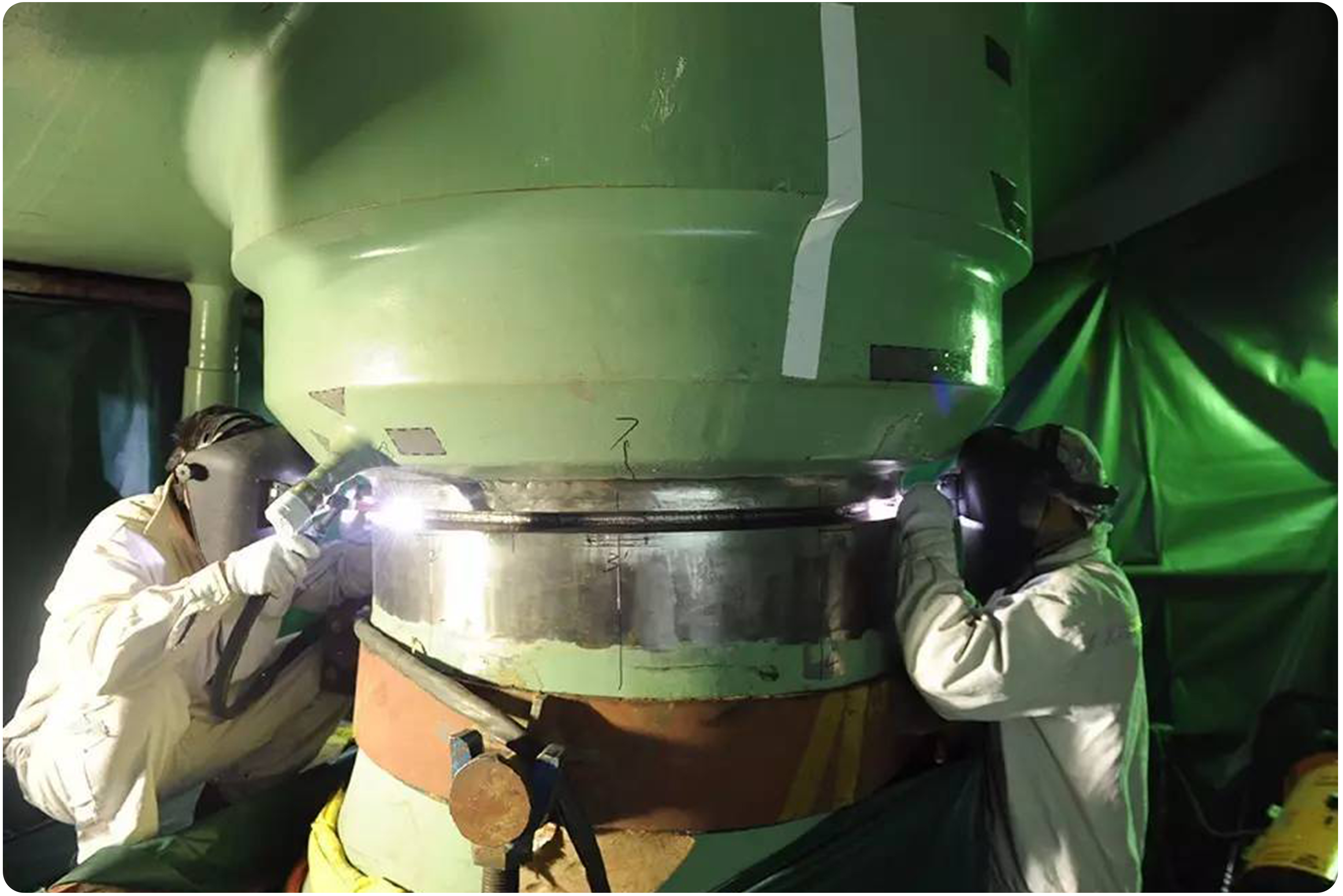
(4)Reactor Internal Components
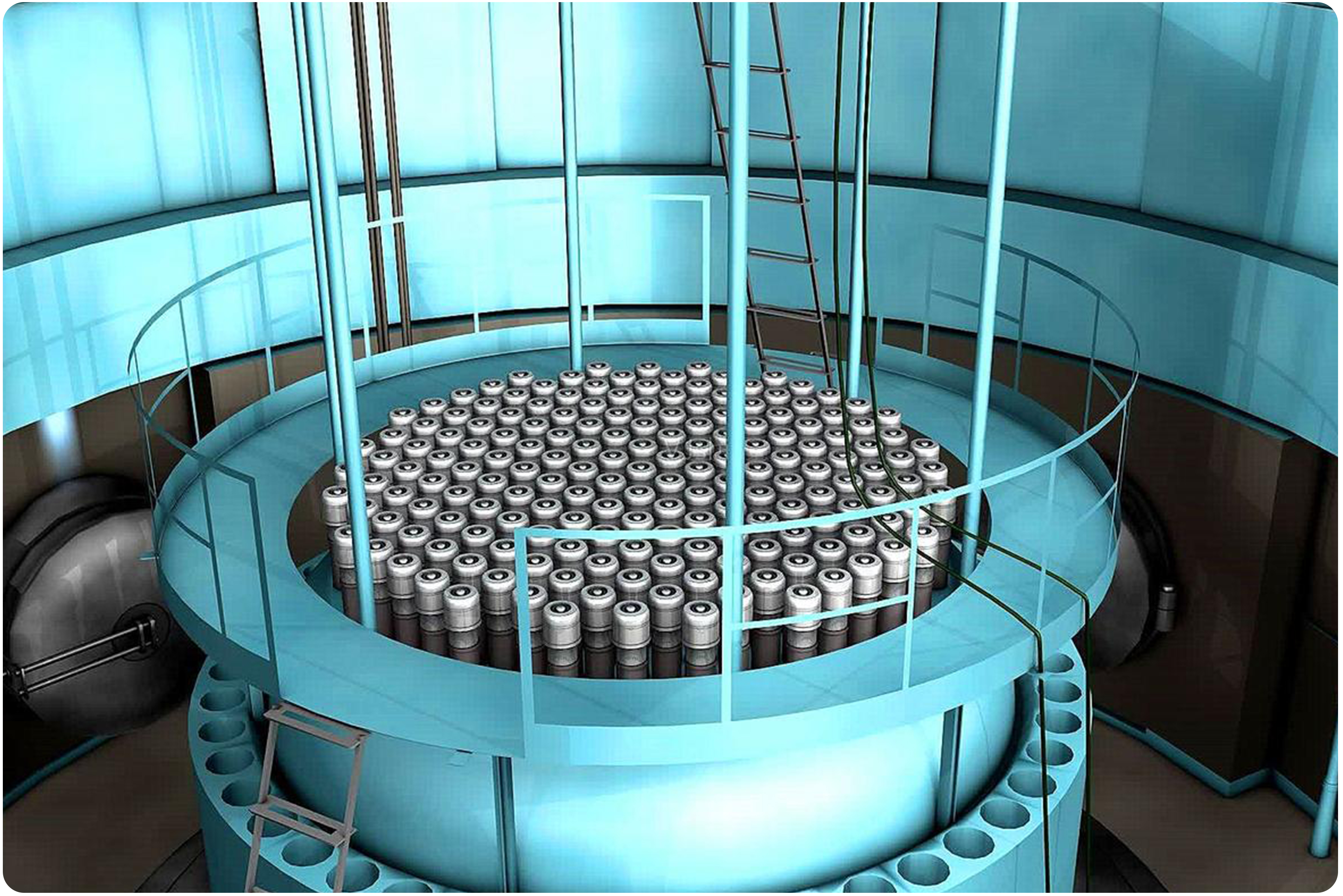
(5)Containment

II. Hazards of Nuclear Radiation Environment to Conventional Ultrasonic Probes
1. Material Degradation
(1) Depolarization of Piezoelectric Chips
In high-radiation scenarios, gamma rays interact with piezoelectric materials through ionization to form electron-hole pairs. In accordance with radiation damage theory, light electrons escape during irradiation, while heavy holes are captured by defects at grain boundaries and electrode interfaces. The additional electric field generated by these trapped charges significantly counteracts the original spontaneous polarization intensity of materials, resulting in a severe decline in the piezoelectric properties of piezoelectric chips.
(2) Oxidative Degradation of Passive Materials
The matching layers and backing layers of ultrasonic probes are generally made of epoxy-based polymer materials. Such materials are prone to failures such as organic phase degradation under radiation, which reduces material flexibility. It may also cause material expansion and gas precipitation, inducing interfacial stress and further leading to performance degradation or even failure of probes.
(3) Aging of Cables and Connectors
The cables of conventional ultrasonic probes usually adopt plastics as insulation layers and outer sheaths. Most plastic materials gradually harden, become brittle and crack under radiation, consequently reducing probe sensitivity and deteriorating the signal-to-noise ratio.
2. Unreliable Performance
(1) Signal Drift and Distortion
With the continuous degradation of each acoustic laminate of the probe in the radiation field, its acoustic characteristics (such as center frequency and bandwidth) will change, causing drift in the amplitude and shape of detection signals. This makes it impossible to effectively compare detection data obtained at different times, and difficult to conduct qualitative and quantitative characterization of defects.
(2) Deteriorated Signal-to-Noise Ratio
The degradation of piezoelectric properties of chips and oxidative degradation of passive materials reduce electro-acoustic conversion efficiency, weakening the transmitted energy of the probe and the received valid signals (defect echoes). Meanwhile, cable aging increases electronic noise, further lowering the signal-to-noise ratio. Tiny defects may be submerged by noise and fail to be detected.
3. Operational and Safety Limitations
(1) Temperature Restrictions
The maximum ambient operating temperature of conventional ultrasonic probes is approximately 50°C. In nuclear power environments, the water temperature of the primary loop system can exceed 300°C. Even during reactor shutdown and refueling, the temperature in many inspection areas is far beyond the endurance limit of ordinary probes.
(2) Contamination Risks
When contacting or approaching the primary loop system, probe surfaces are highly susceptible to contamination by radioactive substances (e.g., Co-60, Cs-137). Conventional probes adopt surface materials that are difficult to decontaminate; moreover, decontamination with chemical reagents may cause further damage to the probes.
III. Advantages of Doppler Ultrasonic Probes in the Nuclear Power Industry
To cope with the high-radiation inspection environment of nuclear power plants, Doppler has specially developed radiation-resistant ultrasonic probes. Featuring high resolution, high signal-to-noise ratio and outstanding radiation resistance, the probes enable precise inspection and long-term monitoring under extreme radiation conditions.
1. Application
Ultrasonic testing and real-time monitoring in high-radiation environments
2. Performance Characteristics
(1) The probe maintains stable acoustic and electrical performance under a cumulative absorbed dose up to 106 Gy.
(2) Integrates high sensitivity, fine resolution and excellent noise suppression capability.
3. Radiation Resistance Performance Comparison
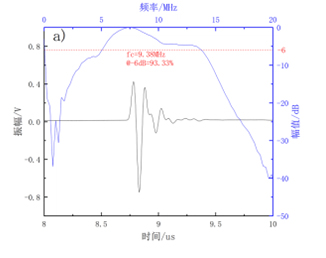
Before radiation exposure
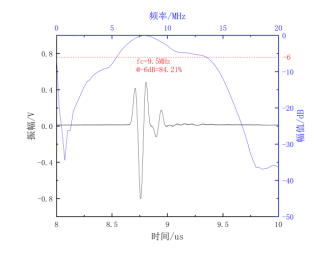
After 1000 kGy radiation test
Total dose irradiation conditions: Co-60 gamma ray, dose rate of 10 kGy/h, cumulative dose of 1 MGy (equivalent to 60 years of service in a PWR).The acoustic performance of the probe remains basically unchanged with a sensitivity variation of less than 2 dB, delivering superior stability and reliability.
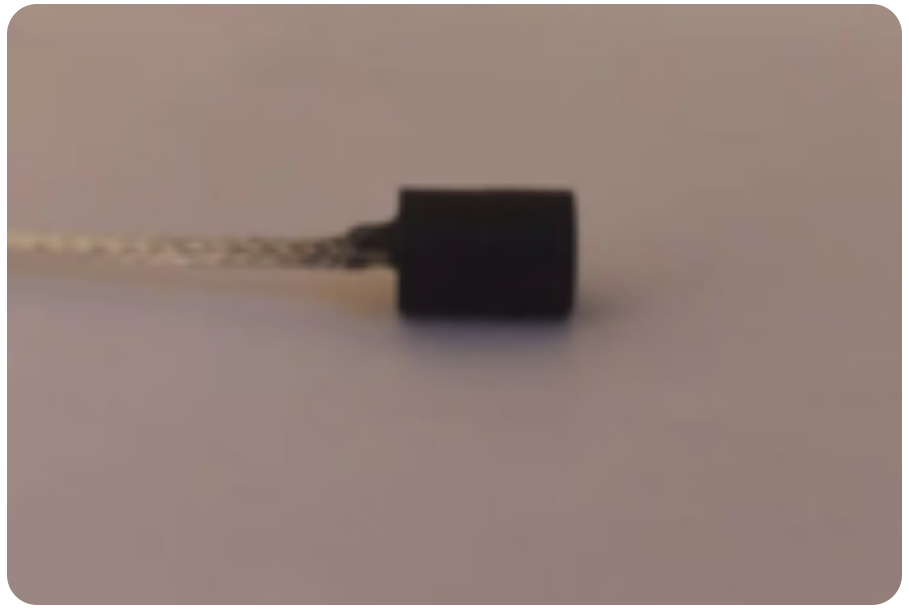
Doppler has built a closed-loop system covering materials, processes, standards and applications, with mature mass supply capacity, and provides customized services for radiation-resistant probes.