Stock Code
301528

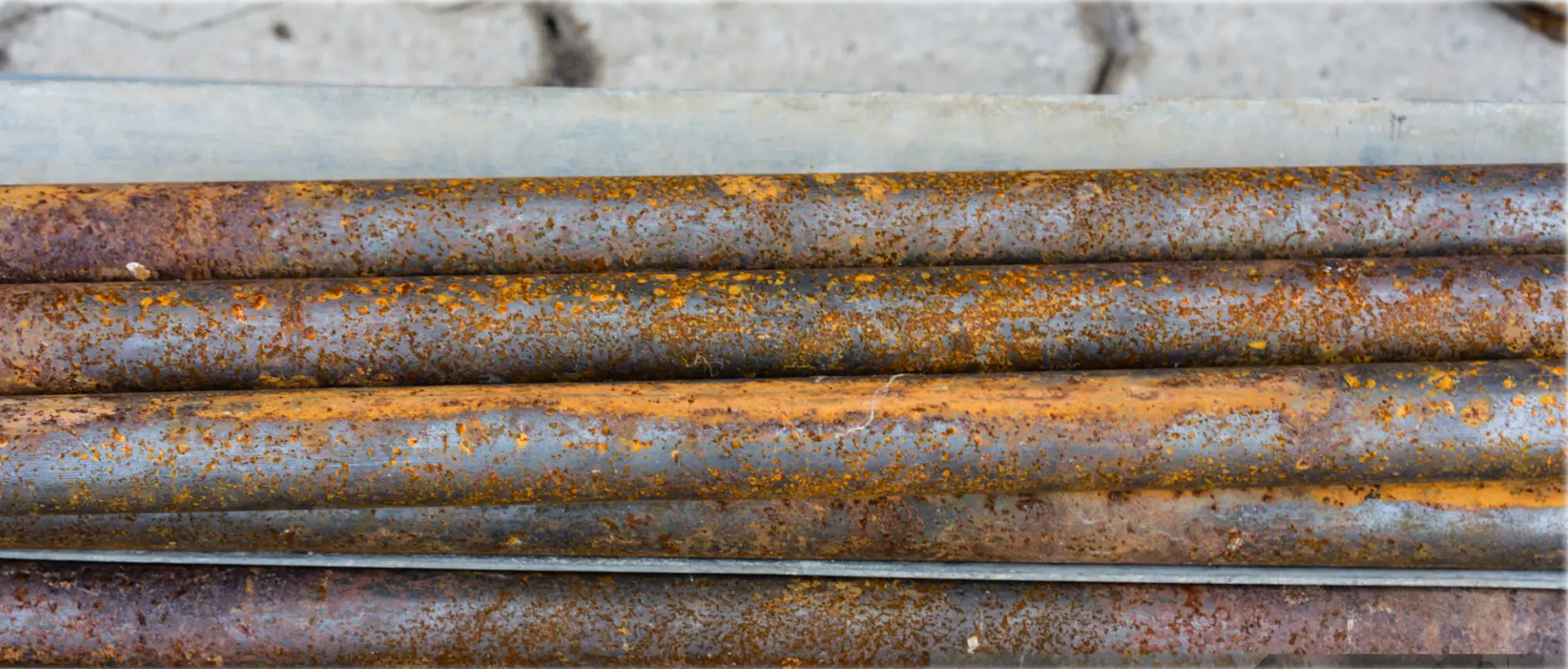
Steel pipelines are widely used in various industries. In quality and safety inspection, apart from the weld quality of joints, the pipeline body is also a key inspection object. Specialized testing equipment is required to effectively guarantee pipeline safety, detect defects at an early stage, prevent safety accidents in advance, and reduce unnecessary losses.
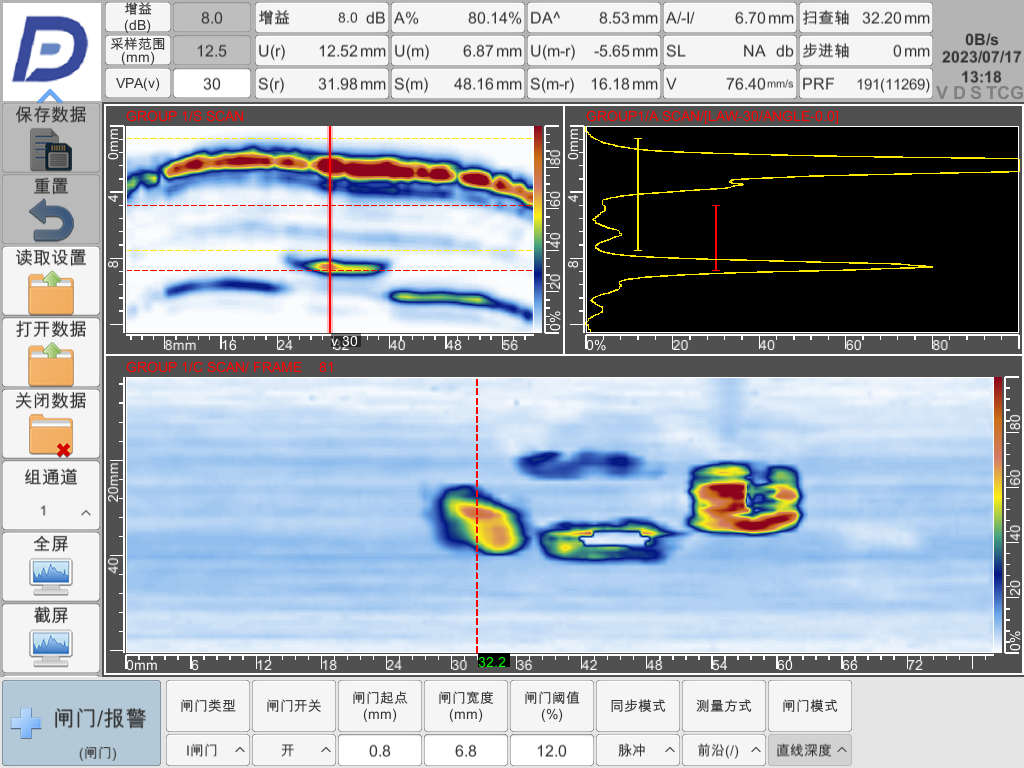
Common types of internal corrosion defects in steel pipelines include pitting corrosion, corrosion cracking, exfoliation corrosion, general corrosion and intergranular corrosion. Mainstream corrosion inspection methods include ultrasonic thickness measurement, magnetic flux leakage testing and eddy current testing. In the following case, phased array ultrasonic testing combined with a dedicated scanner is adopted to achieve rapid and efficient inspection of pipeline test blocks.
Scanner and Tested Workpiece
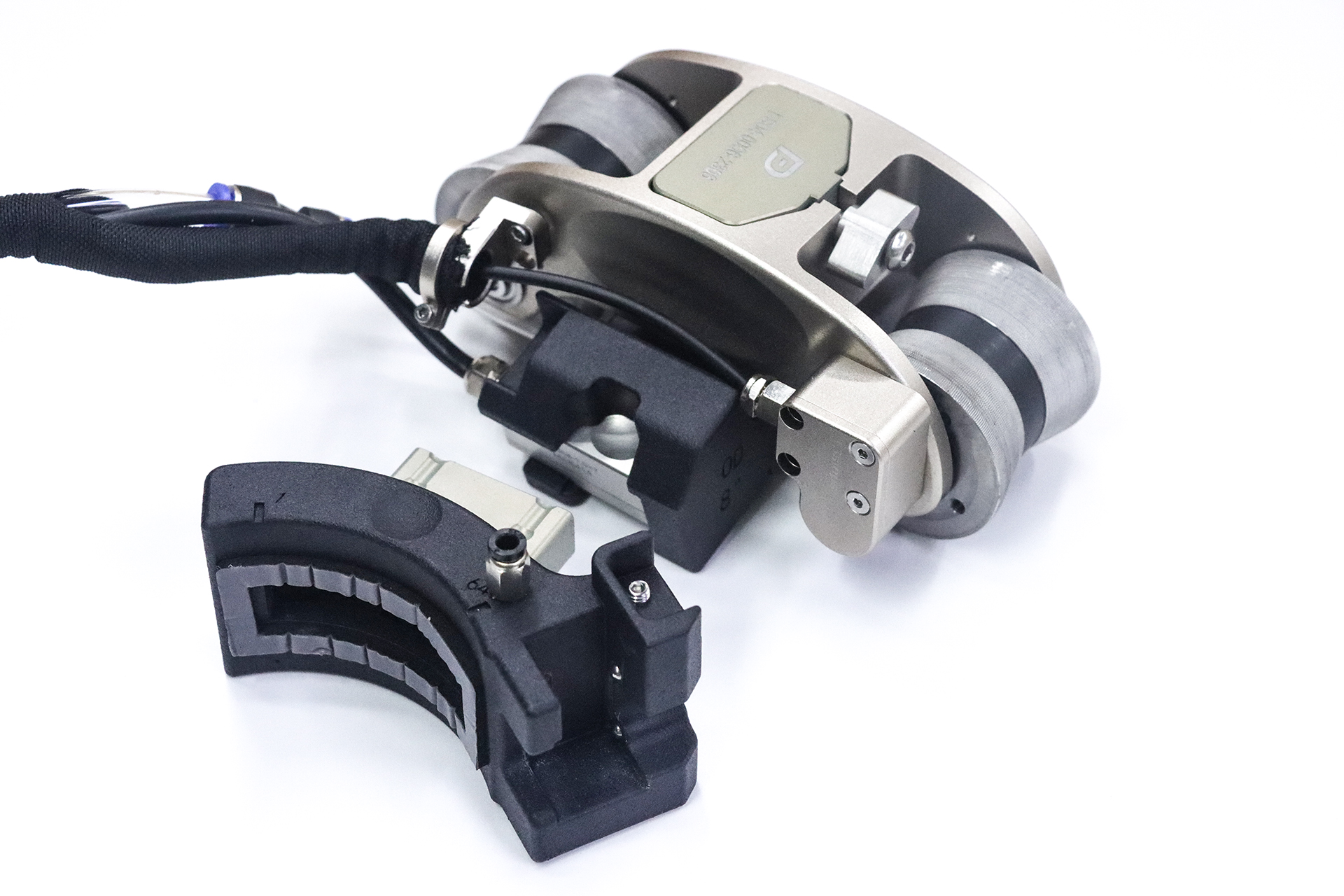
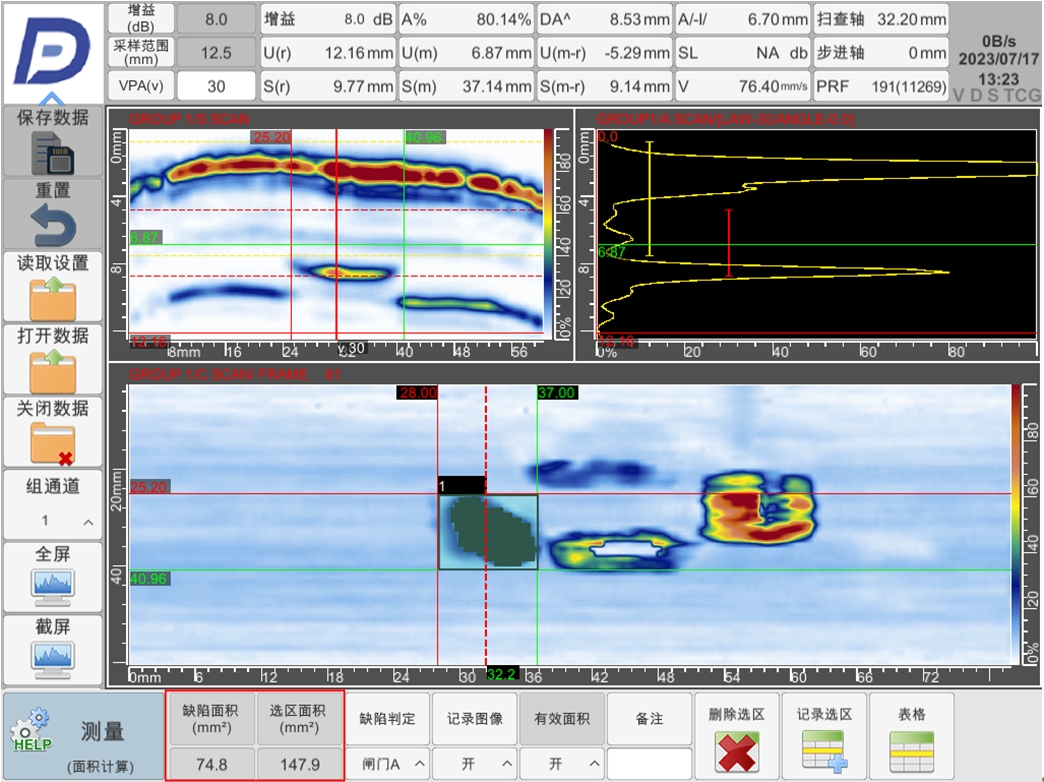
The Doppler FS-04 pipeline corrosion scanner conducts local water-coupled inspection on metal pipes of different diameters by equipping flexible probes with water jackets of various sizes, so as to detect internal defects of pipelines. Meanwhile, the new-generation Doppler NovaScan testing instrument is capable of automatically calculating corrosion area, which facilitates data analysis and defect assessment.
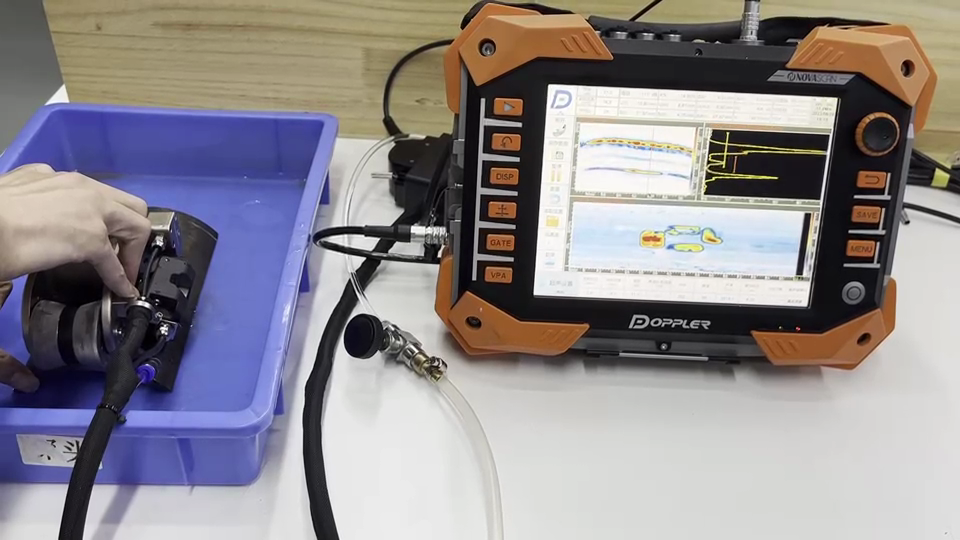
Inspection Results
Conclusion
It can be concluded from the inspection results that the Doppler FS-04 pipeline corrosion scanner provides an effective alternative solution for detecting internal defects of steel pipelines. Meanwhile, the Doppler NovaScan portable TFM testing instrument is equipped with the automatic defect area calculation function, delivering unique advantages in corrosion area analysis. The powerful combination of the scanner and testing equipment enables more convenient and efficient inspection operations.