Stock Code
301528

Power pipeline fittings are components used to connect pipes into piping systems, which are mainly applied in power plants, nuclear power plants, chemical plants and other industries to provide stable power supply for the public. Their quality and safety are of paramount importance. Regular quality inspection of power pipeline fittings can promptly identify potential pipeline hazards, prevent accidents and reduce unnecessary economic losses.
During inspection, due to the thin wall of pipe fittings, conventional probes present a wide initial wave, making it difficult to distinguish echo signals from the surface and the bottom surface, which greatly increases inspection difficulty. The following is an application case of inspecting thin-walled power pipeline fittings using Doppler 20 MHz high-frequency probes.
Workpiece Under Inspection
The test workpiece sample is shown in Figure 1 below, with an outer diameter of 64 mm and an average wall thickness of approximately 3 mm. Full-coverage inspection is required for the entire pipe fitting.
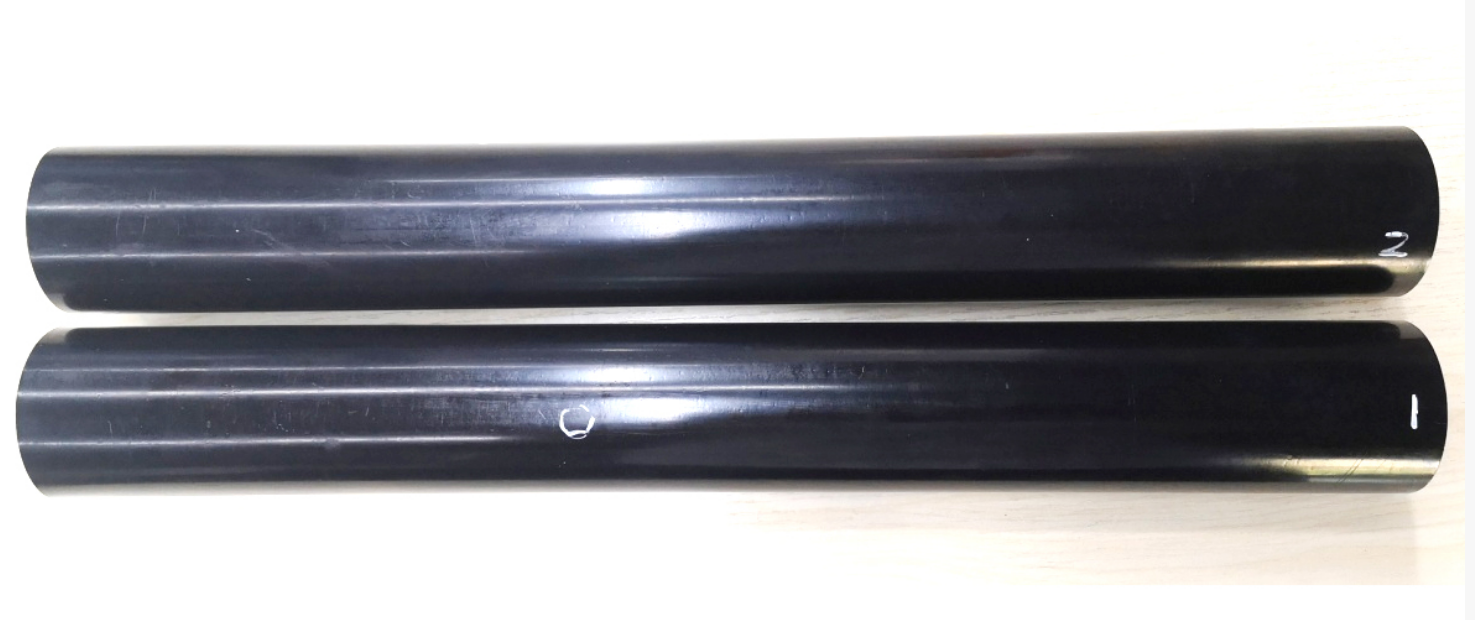
Figure 1 Schematic diagram of the test workpiece sample
Given the thin wall thickness of the pipe fitting, a 20 MHz high-frequency linear array probe developed by Doppler, equipped with a 0° wedge, is adopted for longitudinal wave normal incidence scanning during inspection. Doppler’s high-frequency probes feature broadband and narrow-pulse characteristics, as well as excellent near-surface resolution and longitudinal & transverse resolution, which can effectively solve the inspection challenges of thin-walled pipe fittings. The 20 MHz high-frequency linear array probe is shown in Figure 2 below.
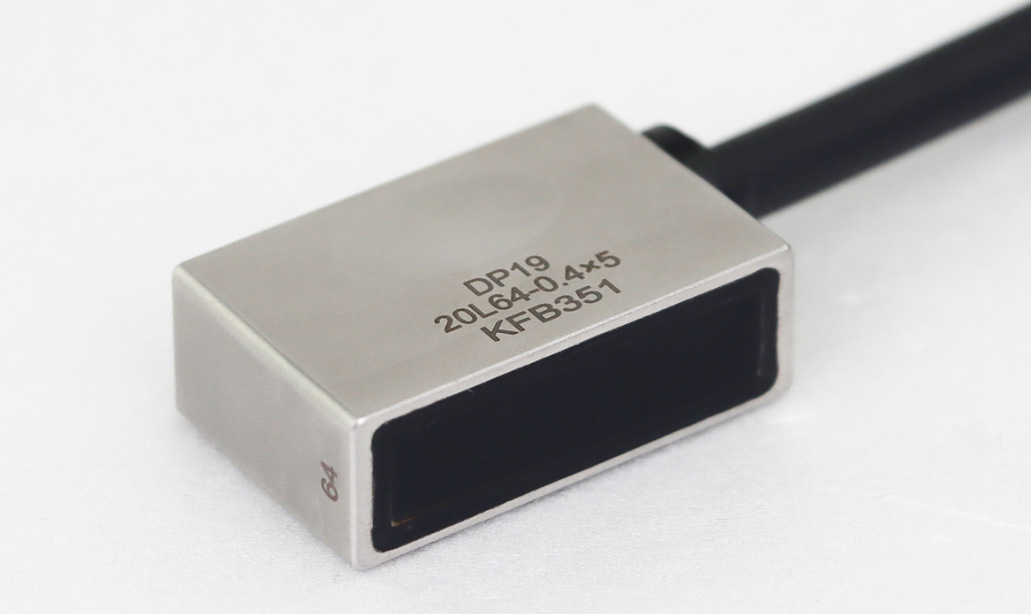
Figure 2 Doppler 20 MHz High-frequency Probe
Inspection Results
During inspection, the relative position between the probe and the pipe fitting is shown in Figure 3. By observing the S-scan display on the instrument, defect signals in the inspection area can be rapidly identified. The test results obtained at different positions of the pipe fitting are presented in Figure 4 and Figure 5.
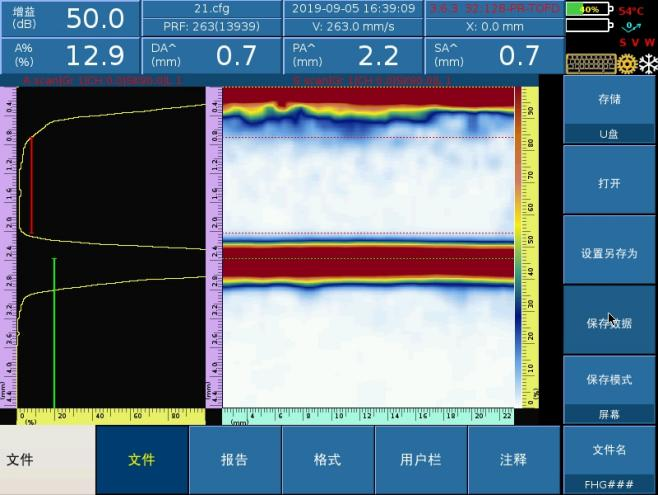
Figure 3 On-site inspection process
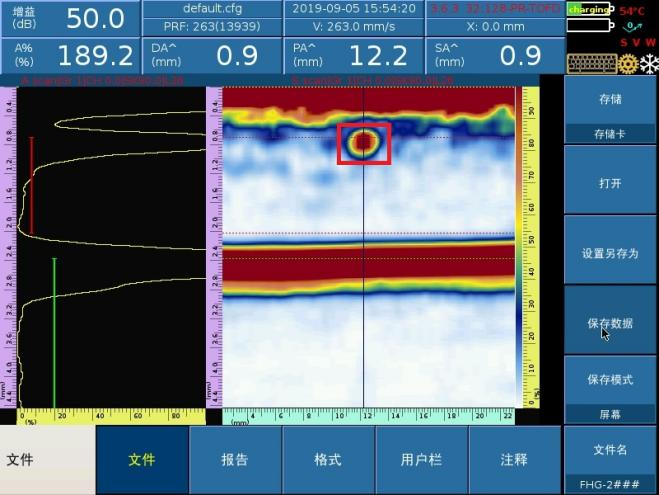
Figure 4 S-scan echo display of defect-free area
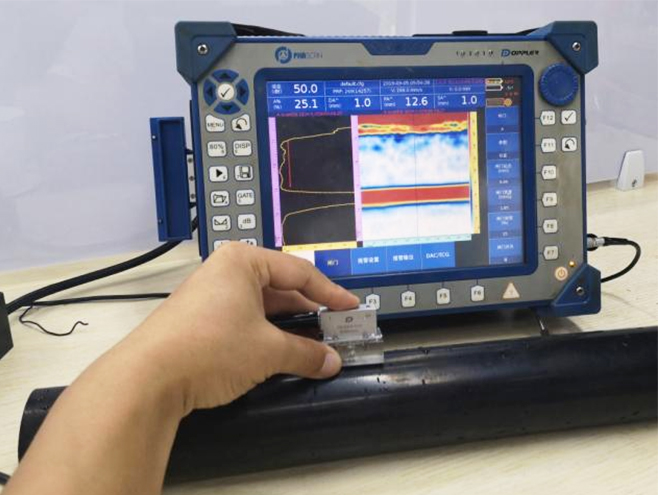
Figure 5 Echo display of defective area (defect marked in the red box)
Conclusion
Doppler high‑frequency linear array probes deliver excellent inspection performance when testing this type of thin‑walled power pipe fittings. It is evident that high-performance, high-stability probes play a vital role in phased array ultrasonic testing. Selecting or customizing application-specific probes for different working conditions is an essential part of the inspection process.
Boasting a professional R&D team and world-class ultrasonic transducer production lines, Doppler is capable of developing high-standard, high-performance probes. Custom probe services are available to meet personalized customer requirements, providing comprehensive, high-quality NDT solutions for industries across all fields.