Stock Code
301528

Polyethylene pipes feature good sealing performance, excellent corrosion resistance, high toughness, light weight and long service life, and are widely used in gas transmission and distribution systems. During pipeline construction, a large number of pipes of various specifications often need to be connected by welding. Nevertheless, defects are easily generated at welded joints in the welding process, which seriously impair the safe service of pipelines.
There are generally two welding methods for polyethylene pipes: butt fusion welding and electrofusion socket welding. Due to the coverage of the electrofusion sleeve, the internal condition of electrofusion welds cannot be directly observed, making it difficult to evaluate welding quality. Therefore, electrofusion welds require a convenient, non-destructive and efficient inspection method to identify welding defects, eliminate potential risks, and ensure the safety of gas pipeline networks.
Overview of PE Pipe Electrofusion Welding
Principle of Polyethylene Pipe Electrofusion Welding
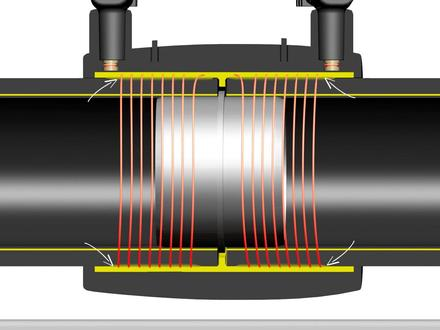
Figure 1 Principle of Polyethylene Pipe Electrofusion Welding
The basic principle of polyethylene pipe electrofusion welding is to use an electrofusion welder to energize and heat the resistance wires embedded in the inner wall of electrofusion fittings. The heat generated melts the bonding surfaces of the pipes and fittings. After the gaps at both ends of the fitting are sealed, the molten material in the interfacial fusion zone undergoes interdiffusion and molecular chain entanglement under high temperature and pressure. Upon natural cooling, the pipes and fittings are firmly and tightly bonded together to form a high-strength, safe and reliable welded joint, as shown in Figure 2.
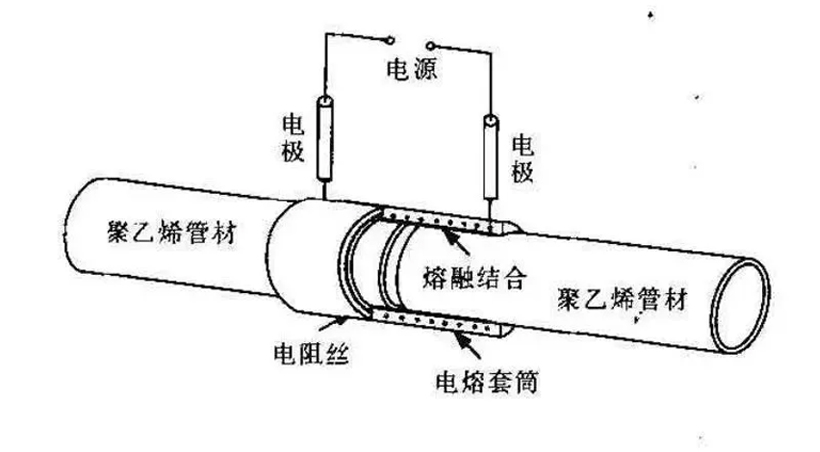
Figure 2 Schematic Diagram of Electrofusion Welding
Types and Causes of Defects in Electrofusion Joints of Polyethylene Pipes
The main defect types of electrofusion joints are as follows:
① Voids inside the joint;
② Inclusions on the fusion interface, such as foreign matter, oil contamination and residual oxide scale;
③ Cold fusion;
④ Over-fusion;
⑤ Misalignment of resistance wires;
⑥ Insufficient insertion depth of the pipe.
Causes of Defects in Electrofusion Joints
1、There are various causes for voids. Some are pre-existing holes formed during the manufacturing of pipes and fittings. Others are gas pores generated by steam from damp materials or oil contamination on the fusion surfaces during welding. Additionally, cooling shrinkage cavities may occur after welding.
2、Inclusion defects on the fusion interface are mainly caused by non-standard on-site construction, such as uncleaned welding surfaces and contaminants on electrofusion sleeves.
3、Cold fusion defects are generally resulted from insufficient welding energy, including power interruption on construction sites, inadequate welding time, and excessive fitting clearance between pipes and fittings.
4、By contrast, over-fusion is caused by excessive welding energy, typically due to prolonged heating time and excessive voltage.
5、Resistance wire misalignment usually occurs together with over-fusion, which is mainly caused by excessive material fluidity. Insufficient pipe insertion is classified as a human-induced defect, primarily arising from improper operation by welders.
PAUT of Electrofusion Joints
Phased Array Ultrasonic Testing Principle
The fundamental feature of phased array ultrasonic testing technology is phased control, including transmission phasing and reception phasing.
Transmission phasing adopts electronic technology to adjust the emission phase and ultrasonic intensity of array elements, so as to dynamically change the focal position and focusing direction. Reception phasing is the reverse process of transmission phasing. It applies electronic and signal processing technologies to perform inverse phasing processing on inspection signals received by array elements, so as to obtain the position and characteristic information of defect signals. The whole process of phased array ultrasonic testing is shown in Figure 3.
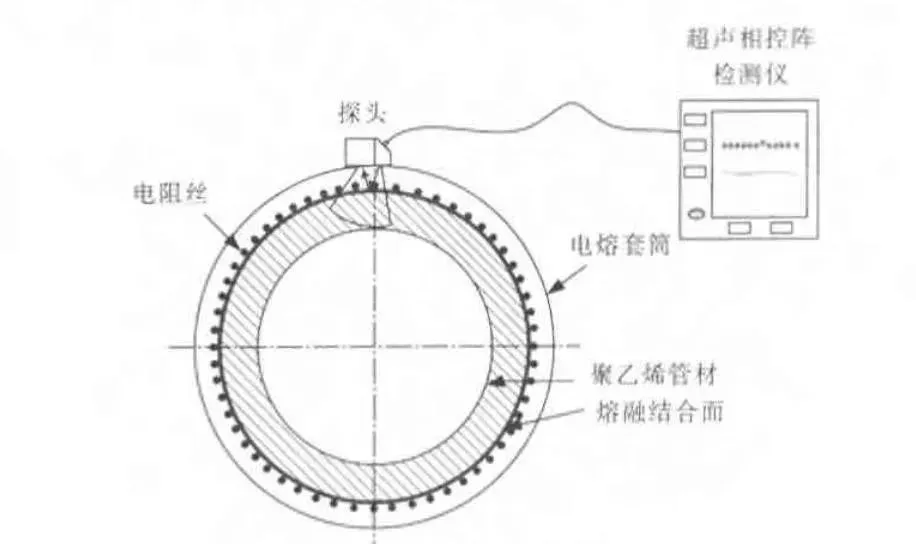
Figure 3 Principle of Phased Array Ultrasonic Testing
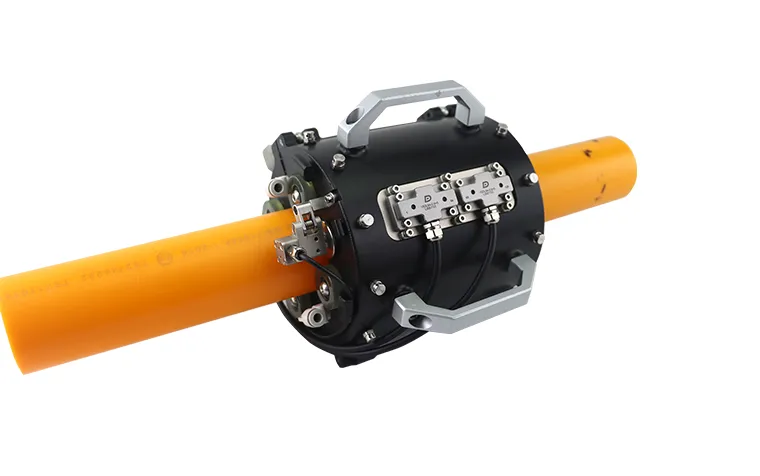
Figure 4 DOPPLER PE Pipe Inspection Scanner DSC-11
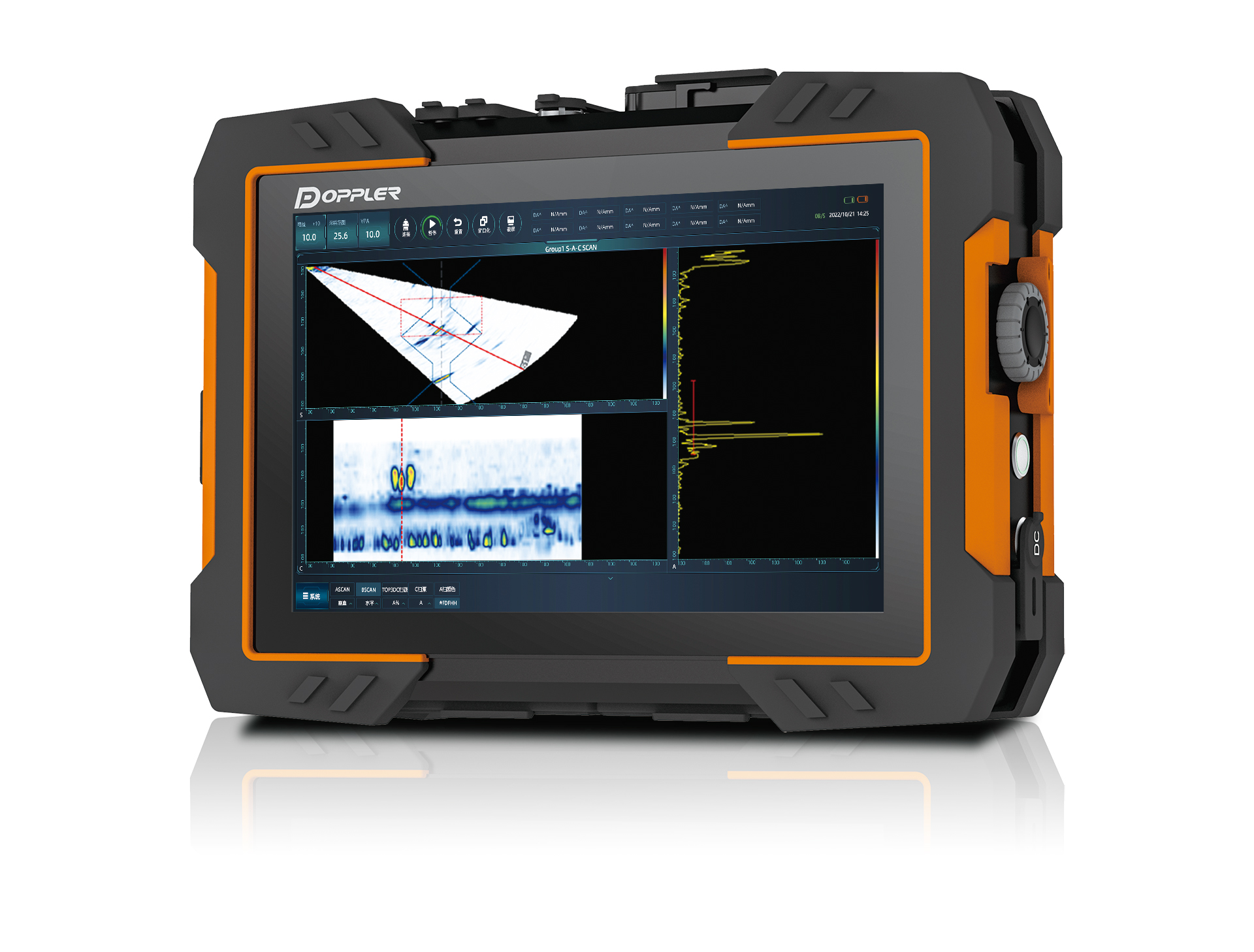
Figure 5 DOPPLER Portable TFM Phased Array Ultrasonic Detector Novascan 64/128
Novascan 64/128 integrates TFM (Total Focusing Method), PWI (Plane Wave Imaging), conventional phased array testing, and dual-channel independent TOFD/UT inspection. Multiple total focusing modes can operate simultaneously with PAUT, UT and TOFD, with all results displayed on a single screen. Equipped with advanced intelligent analysis technology, the instrument realizes intelligent defect identification and high-precision measurement for corrosion inspection, weld testing, composite bonding evaluation and other scenarios, greatly expanding its specialized application scope.
PAUT Results of Electrofusion Joints
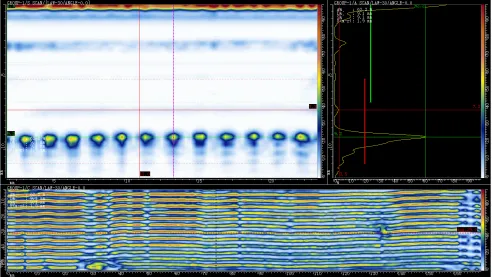
Figure 6 Phased Array Image of a Qualified Electrofusion Joint
In a qualified electrofusion weld of polyethylene pipes, the resistance wires are arranged in order with no obvious misalignment, as shown in Figure 6. The inner wall of the electrofusion sleeve is fully fused with the outer wall of the pipe without distinct boundary signals. No gaps or voids exist on the fusion interface, and the inner wall echo signal (back-wall echo) remains intact without obvious attenuation or loss.
1. Fusion Interface Inclusions
This type of defect refers to foreign substances immiscible with polyethylene trapped between the inner wall of the fitting and the outer surface of the pipe, resulting in incomplete fusion. Its ultrasonic characteristics include extra reflected signals below the resistance wires, accompanied by noticeable attenuation or even disappearance of the back-wall echo, as illustrated in Figure 7.
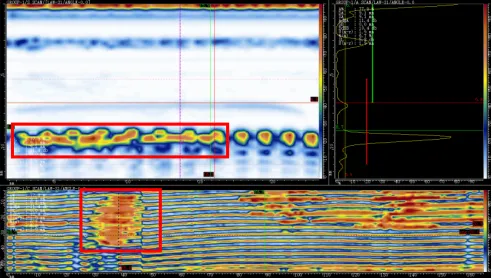
Figure 7 PA Image of Electrofusion Joint with Fusion Interface Inclusion Defects
2. Cold Fusion
Cold fusion is a low-strength defect caused by insufficient welding energy input, which prevents adequate molecular diffusion and entanglement at the bonding interface between the pipe and fitting. Its typical signal feature is that the distance between the characteristic boundary line (dividing molten and unmolten zones) and the resistance wires is smaller than the normal reference value, as shown in Figure 8.
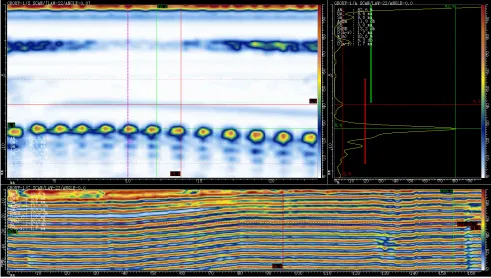
Figure 8 PA Image of Electrofusion Joint with Cold Fusion Defects
3. Over-fusion
Over-fusion is a defect caused by excessive heat input during welding, which leads to material degradation of the joint and reduces the bonding performance of the fusion zone. It is often accompanied by secondary defects such as voids and resistance wire misalignment.
In terms of signal characteristics, the distance between the characteristic line and the resistance wires is greater than the normal value, as shown in Figure 9.
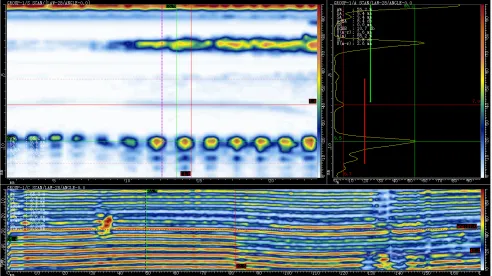
Figure 9 PA Image of Electrofusion Joint with Over-fusion Defects
Conclusion
Based on the analysis of the electrofusion welding principle for polyethylene pipes and the signal interpretation of various defect types, phased array ultrasonic testing proves to be a reliable non-destructive testing method. It can effectively identify various defects in electrofusion joints of polyethylene pipes, eliminate potential pipeline hazards, and ensure the safe operation of pipeline systems.