Stock Code
301528

With the rapid development of the new energy vehicle industry, safety accidents involving new energy vehicle fires occur from time to time, and their safety has attracted increasing public attention. As the core component of new energy vehicles, the safety and quality of power batteries are crucial. Statistics show that approximately 80% of new energy vehicle failures originate from power batteries.
At present, silicone sealants are widely used for the sealing of power batteries. Featuring excellent comprehensive performance, silicone sealants meet the requirements of shock resistance, waterproofing, flame retardancy and thermal conductivity for power batteries, and effectively improve battery safety.
Affected by process control, material aging and other factors, partial debonding may occur in the adhesive layer of certain batteries. During long-term vehicle operation, such defects may lead to local overheating and even fire hazards. Therefore, it is critical to inspect the bonding quality of adhesive layers.
To address this issue, Guangzhou Doppler Electronic Technology INC has developed a phased array ultrasonic testing system for the adhesive bonding quality inspection of power batteries, as shown in Figure 1.
The system adopts ROBUST phased array boards, a fully automatic multi-axis scanning system, and specially designed high-frequency, large-element array sensors. It enables rapid, large-area, high-precision two-dimensional scanning with clear imaging and reliable performance, realizing high-speed visual inspection of adhesive bonding quality.
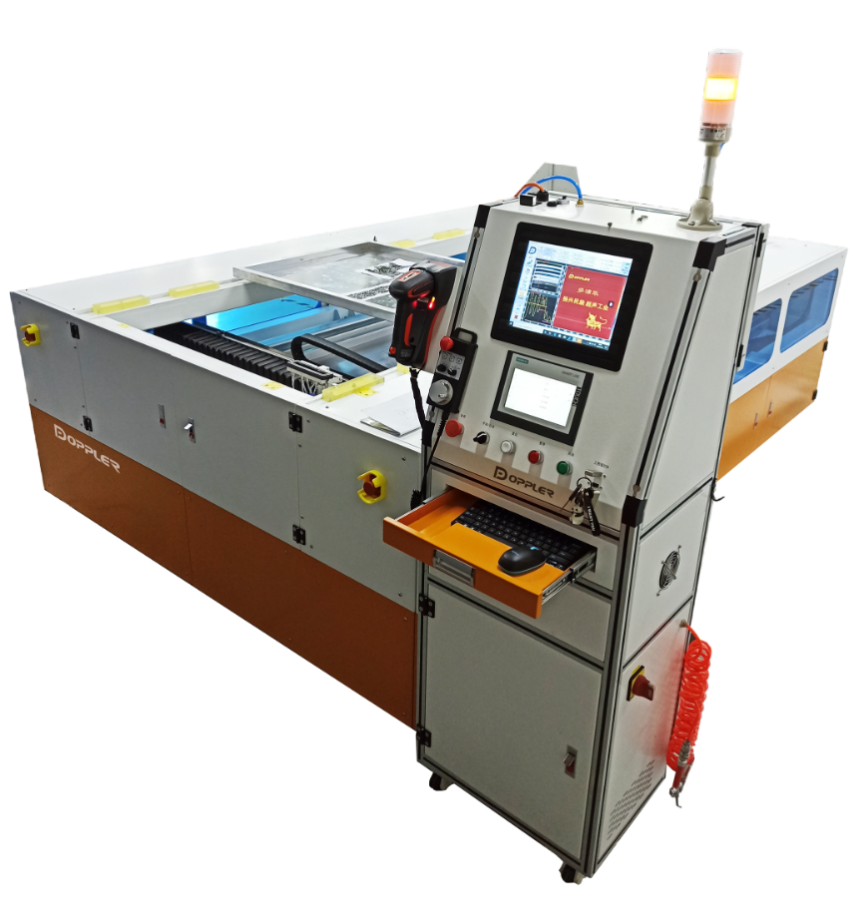
Figure 1 PAUT System for Power Battery Adhesive Bonding Quality
After scanning completion, the intelligent analysis system automatically generates bonding rate statistics, which saves time and labor and simplifies data analysis. The battery adhesive structure and inspection principle are illustrated in Figure 2.
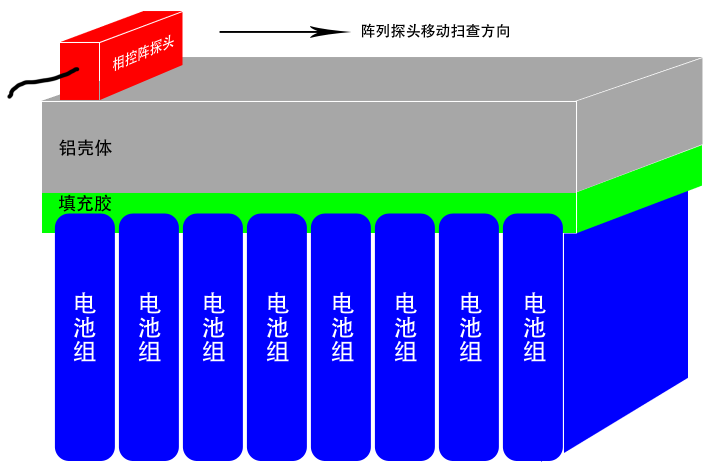
Figure 2 Schematic Diagram of Battery Adhesive Structure and Inspection Principle
An example of the battery adhesive inspection interface is shown in Figure 3. In the C-scan image, black areas indicate regions with qualified bonding quality, while white squares and circles within the black areas represent debonding defects.
The system delivers clear and distinguishable inspection images and supports adhesive qualification rate analysis. The entire process from inspection to report generation is fully automated, greatly improving the efficiency of automated testing.
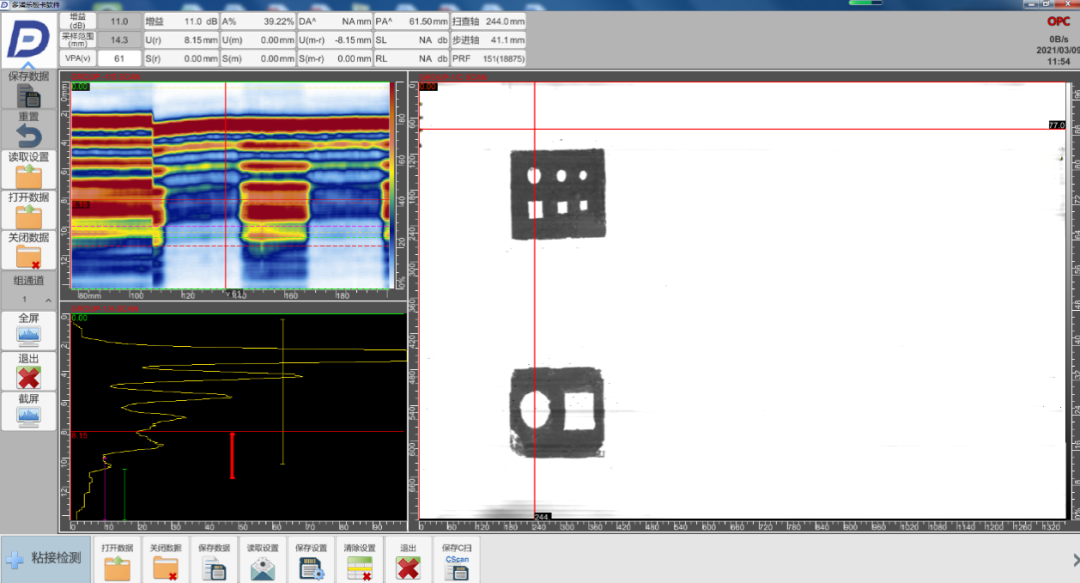
Figure 3 Example of Battery Adhesive Inspection Interface